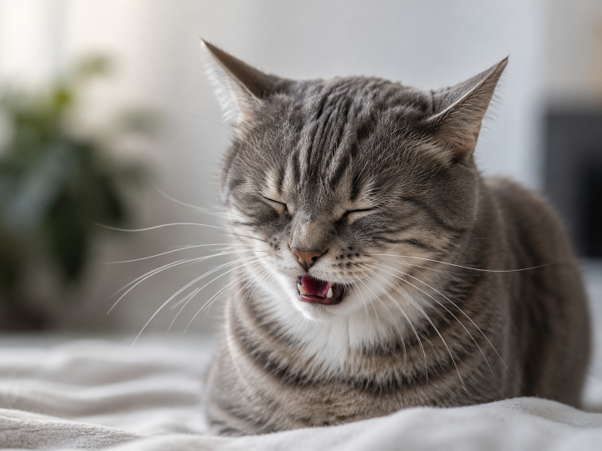
A single sneeze is usually nothing to worry about. Just like people, cats sneeze to clear dust, fur and other irritants from their nasal passages. However, if sneezing becomes frequent or starts showing up alongside other symptoms, it may be a sign that something else is going on.
When sneezing is normal
An occasional sneeze can happen because of:
- dust in the air;
- fine particles from cat litter;
- household cleaners and aerosols;
- perfumes and air fresheners;
- smoke;
- fur or small debris getting into the nose.
If your cat sneezes once or twice and seems perfectly fine otherwise, there’s usually no reason for concern.
Causes of frequent sneezing
- Upper respiratory infections
This is one of the most common causes of sneezing in cats. It’s especially common in kittens, shelter cats and cats that regularly interact with other animals.
Common causes include:
- feline herpesvirus (FHV-1);
- feline calicivirus;
- certain bacterial infections.
In addition to sneezing, cats may develop nasal or eye discharge, watery eyes, reduced appetite and low energy.
- Inflammation of the nasal passages
Veterinarians call this condition rhinitis. It can be caused by infections, chronic inflammation or irritation of the nasal lining.
- A foreign object in the nose
Grass blades, plant seeds and other small particles can sometimes become lodged inside a nasal passage. When this happens, a cat may have repeated sneezing fits and frequently rub its nose with a paw.
- Dental problems
The roots of a cat’s upper teeth sit very close to the nasal passages. If a tooth becomes infected or develops an abscess, the inflammation can spread to nearby tissues and trigger sneezing. This is more common in adult and senior cats.
- Allergies
Yes, cats can have allergies too. Common triggers include:
- dust;
- mold;
- pollen;
- household cleaning products;
- scented cat litter.
When to see a veterinarian
Schedule an appointment if sneezing is accompanied by any of the following:
- nasal discharge;
- eye discharge;
- difficulty breathing;
- reduced appetite;
- lethargy;
- fever;
- nosebleeds;
- weight loss;
- sneezing that continues for several days.
Prompt veterinary care is especially important for kittens and senior cats.
What not to do
Never:
- give your cat human medications;
- use decongestant nasal drops;
- flush your cat’s nose without veterinary guidance.
Many medications that are safe for people can be harmful to cats.
How to reduce the risk of respiratory problems
- Ventilate your home regularly.
- Avoid smoking around your cat.
- Don’t spray aerosols near your cat.
- Keep vaccinations up to date.
- Choose low-dust cat litter whenever possible.
If your cat sneezes once or twice, it’s usually a normal reaction to an irritant. However, frequent sneezing, especially when paired with nasal discharge, eye discharge or changes in your cat’s overall condition, may be a sign of an underlying health issue and should be evaluated by a veterinarian.
Leave a Reply