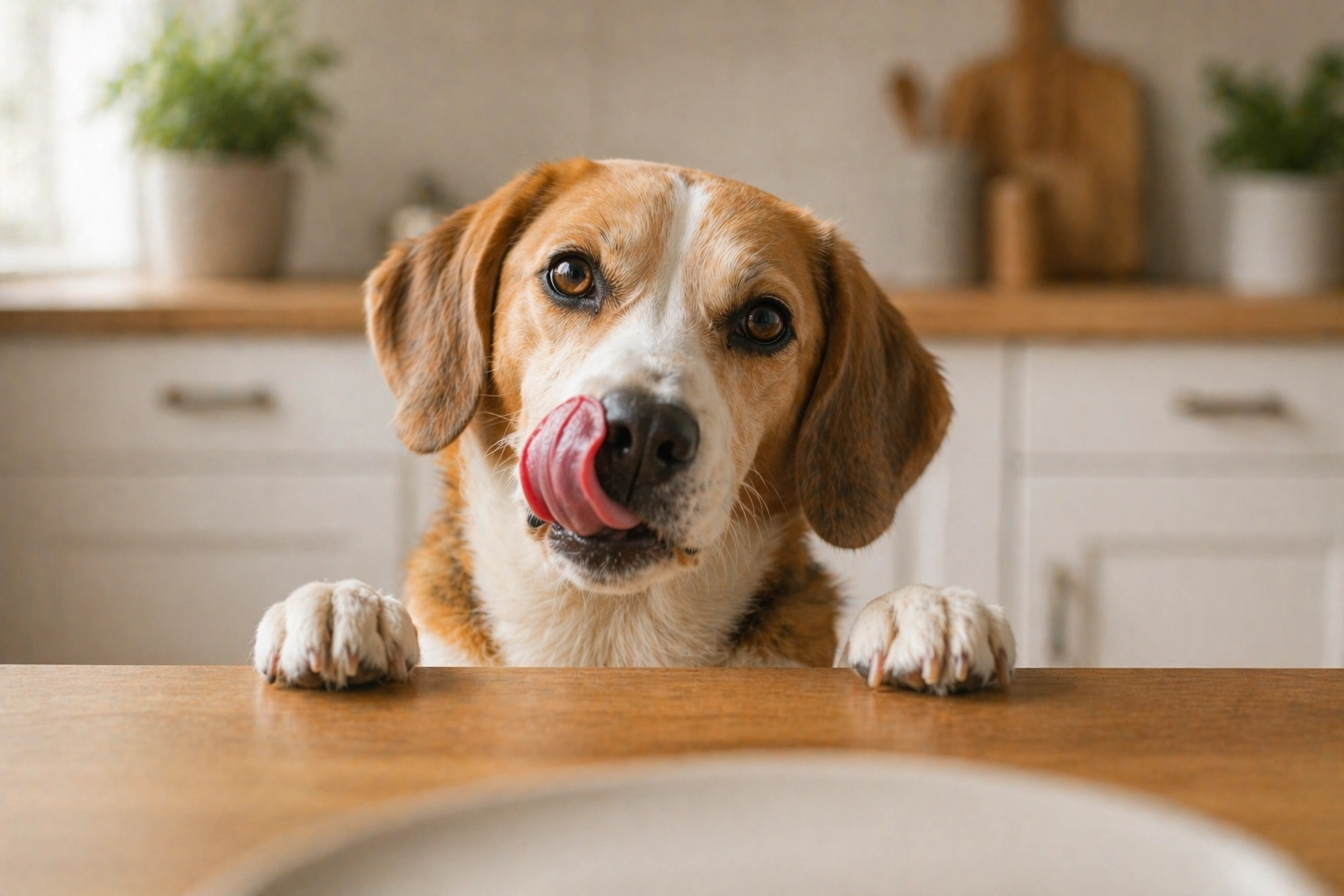
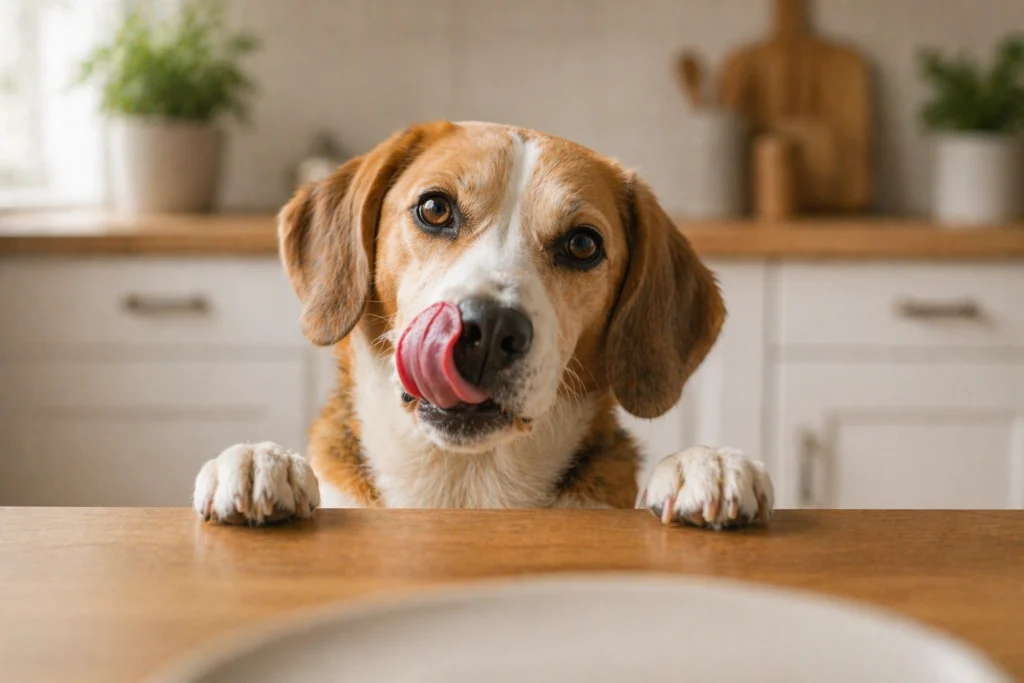
Not all foods that are safe for humans are safe for dogs. Some can cause mild digestive upset, while others may lead to serious poisoning and require urgent veterinary care.
Foods dogs should never have (even “just a little”)
For a small dog, even a small amount can be a significant dose. Sensitivity also varies: something that caused no problems once may trigger a serious reaction another time.
1. Chocolate and cocoa products
Contain theobromine and caffeine, which are highly toxic to dogs.
2. Grapes and raisins
Can cause acute kidney failure, even in small amounts.
3. Onions and garlic (all forms)
Contain organosulfur compounds that damage red blood cells and can lead to anemia.
4. Xylitol
A sweetener found in gum, candy, some baked goods and even certain toothpastes. It can cause a dangerous drop in blood sugar and lead to liver failure.
5. Alcohol
Dangerous even in very small amounts and can be present in unexpected foods. There is a risk of severe poisoning and even a fatal outcome.
6. Coffee, energy drinks and tea
Due to caffeine, these can overstimulate the nervous system and cause a rapid heart rate, tremors and other serious symptoms.
7. Cooked bones
Especially poultry bones. They can splinter and cause serious injury to the digestive tract.
8. Fatty, fried or very salty foods
May lead to vomiting, diarrhea and even pancreatitis.
9. Raw yeast dough
Expands in the stomach and can cause dangerous bloating. As it ferments, it also produces alcohol, which adds another layer of risk (see p. 5).
What to do if your dog eats something dangerous
Do not wait for symptoms. Some types of poisoning take time to develop, even if your dog seems fine at first.
What to do right away
- remove any remaining food
- note what was eaten, how much and when
- keep the product packaging if possible
- contact a veterinary clinic as soon as possible
- follow professional advice
Do not try to induce vomiting unless a veterinarian specifically tells you to do so. In some cases, it can make things worse.
The general rule is simple: if you are not sure, do not feed it. Stick to dog-safe foods and treats made specifically for dogs.
Leave a Reply