Author: Sloth_and_Lion

  • Dog clothing: how to choose

    Dog clothing: how to choose

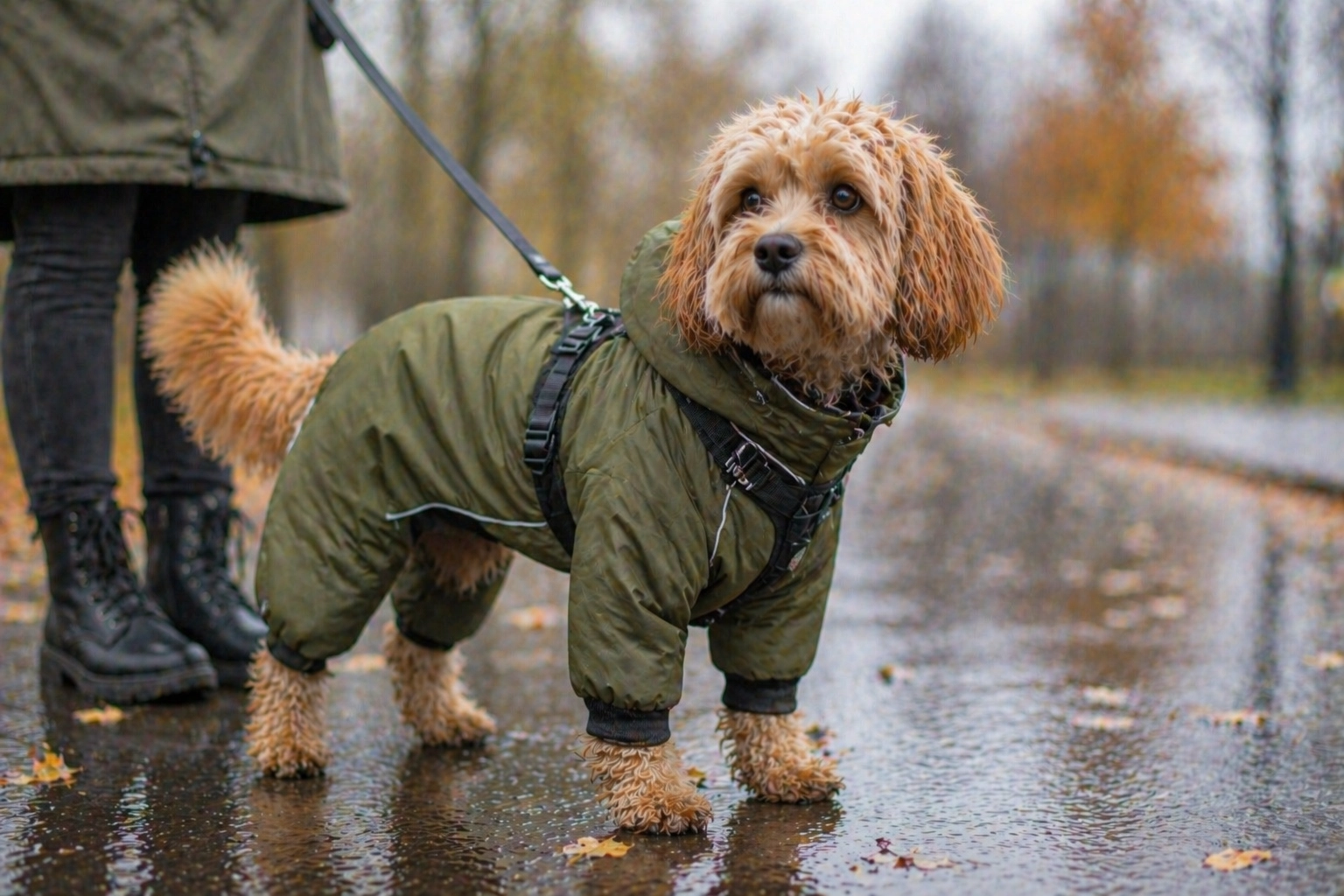
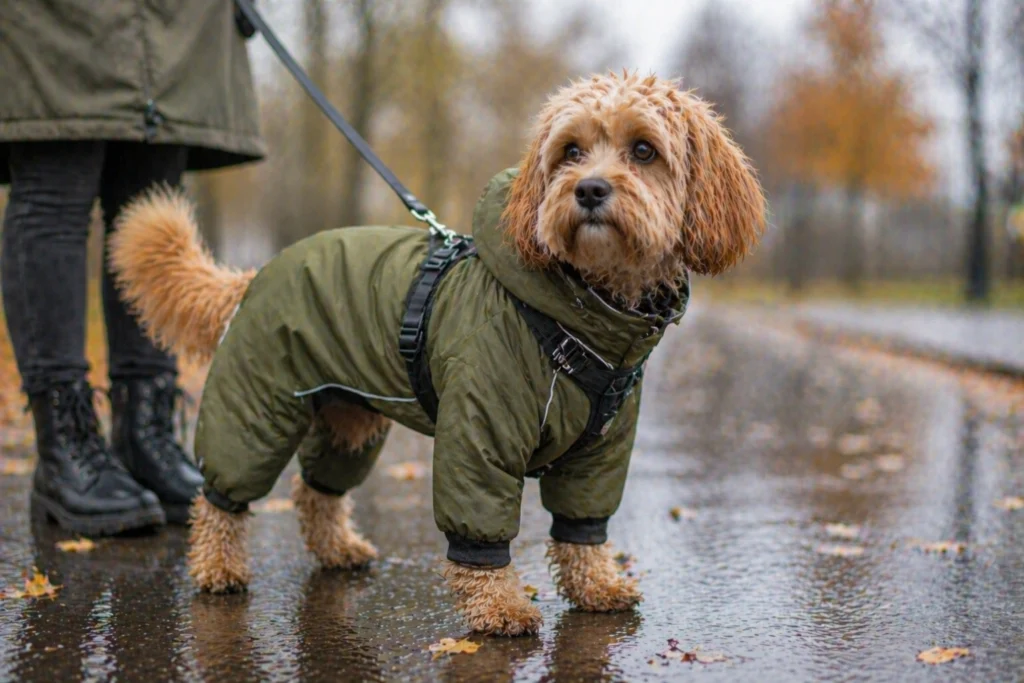
    Dog clothing is not necessary for every pet or every situation. For some dogs, it helps make walks more comfortable, while for others it may be unnecessary. The key is to match the clothing to the weather and your dog’s comfort.

    When clothing is actually needed

    Clothing is most useful for:

    • small dogs
    • short-haired breeds
    • dogs without an undercoat
    • senior dogs
    • puppies
    • dogs after a short haircut 
    • rainy, snowy, windy or cold weather

    For example, breeds like Chihuahuas, Italian Greyhounds, Chinese Cresteds, Toy Terriers and Miniature Pinschers often benefit from clothing.

    When you can skip it

    Many dogs with thick coats and dense undercoats (such as Huskies, Malamutes, Samoyeds and Newfoundlands) are comfortable without extra layers in mild weather. That said, even these breeds may benefit from a raincoat or protection from mud.

    How to choose dog clothing

    1. By season

    • rainy fall — a lightweight raincoat or waterproof layer
    • winter — insulated options with wind and water protection
    • spring — lighter protection from damp weather and wind

    2. By fit

    Good clothing should:

    • not rub or irritate
    • not restrict movement
    • stay in place without twisting
    • not put pressure on the neck, chest or underarms
    • allow your dog to go to the bathroom comfortably

    If your dog moves stiffly, freezes or keeps trying to remove the clothing, it’s a sign the fit isn’t right.

    3. By material

    Pay attention to:

    • outer fabric suitable for the weather
    • soft inner lining
    • strong stitching
    • easy-to-use fasteners
    • machine-washable materials

    How to take measurements

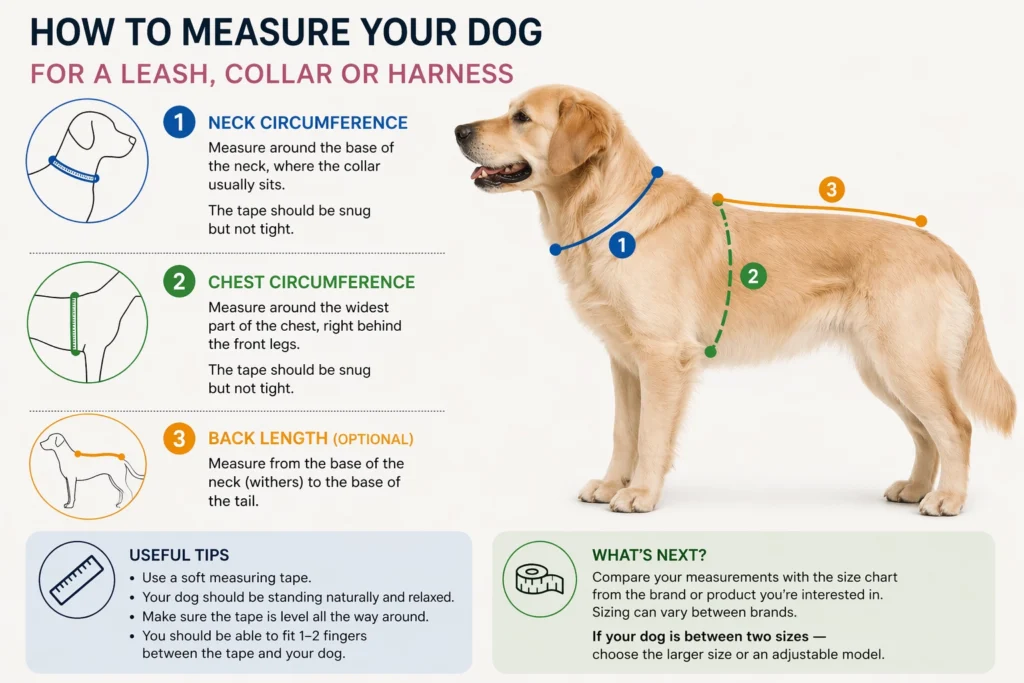
    You will usually need three measurements:

    • back length (from the base of the neck to the base of the tail)
    • chest girth (the widest part of the body)
    • neck girth

    Always compare your measurements with the brand’s size chart, as sizing can vary between manufacturers.
    How to get your dog used to clothing

    If your dog has never worn clothes before, take it step by step:

    • let them sniff the item first
    • try it on briefly at home
    • praise and reward
    • gradually increase wearing time

    Common mistakes

    • guessing the size instead of measuring
    • choosing heavy or stiff fabrics
    • overheating the dog
    • leaving clothing wet after walks

    Clothing only helps when it actually makes your dog more comfortable and protects them from the weather. If it fits well, doesn’t restrict movement and matches the season, it’s doing its job.
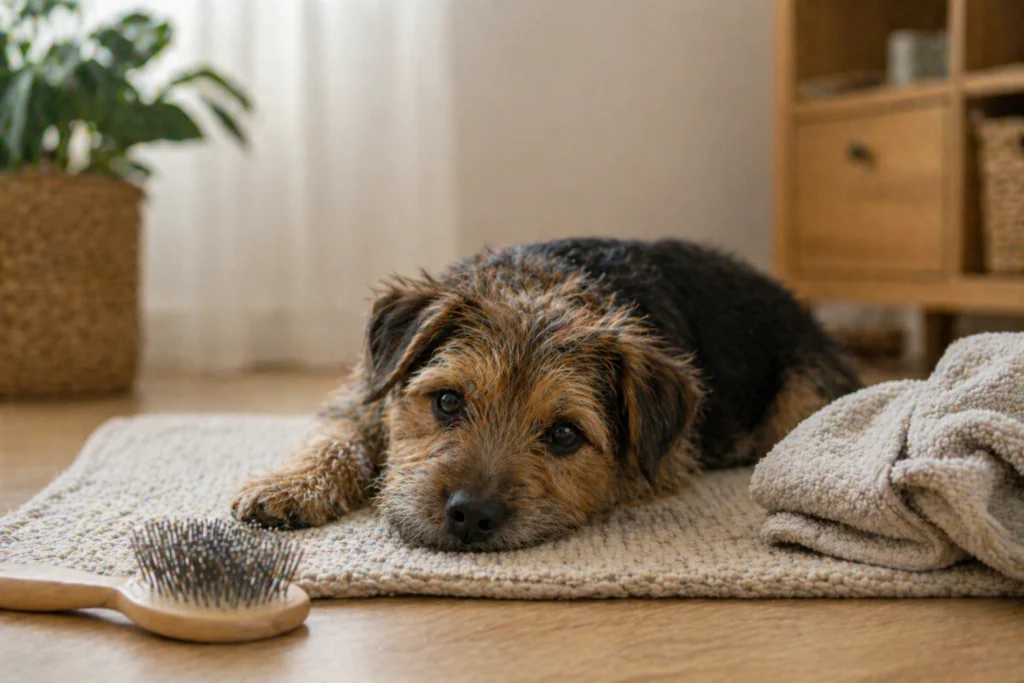
  • Essential grooming supplies for your dog

    Essential grooming supplies for your dog

    Dog care is not just about feeding and walks. To keep your dog comfortable day to day, it helps to have a basic set of grooming and hygiene essentials at home.

    You don’t need to buy everything at once or go for a full setup right away. It’s better to start with a practical core kit and add more as needed.

    Basic dog grooming checklist

    1. Coat care

    Important: different coat types require different tools.

    For short-haired breeds(such as Labrador Retrievers, Beagles, Pugs, Dobermans):

    • grooming glove
    • fine-tooth comb
    • brush for short coats
    • deshedding tool (for some coat types)

    For medium-haired breeds(such as Huskies or Corgis):

    • grooming glove
    • comb with mixed tooth lengths
    • deshedding tool
    • slicker brush
    • dematting tool (if needed)

    For long-haired breeds(such as Shih Tzus, Collies, Maltese and others), a more complete set is needed:

    • grooming glove
    • wide-tooth comb
    • fine-tooth comb
    • deshedding tool
    • slicker brush
    • dematting tool
    • scissors

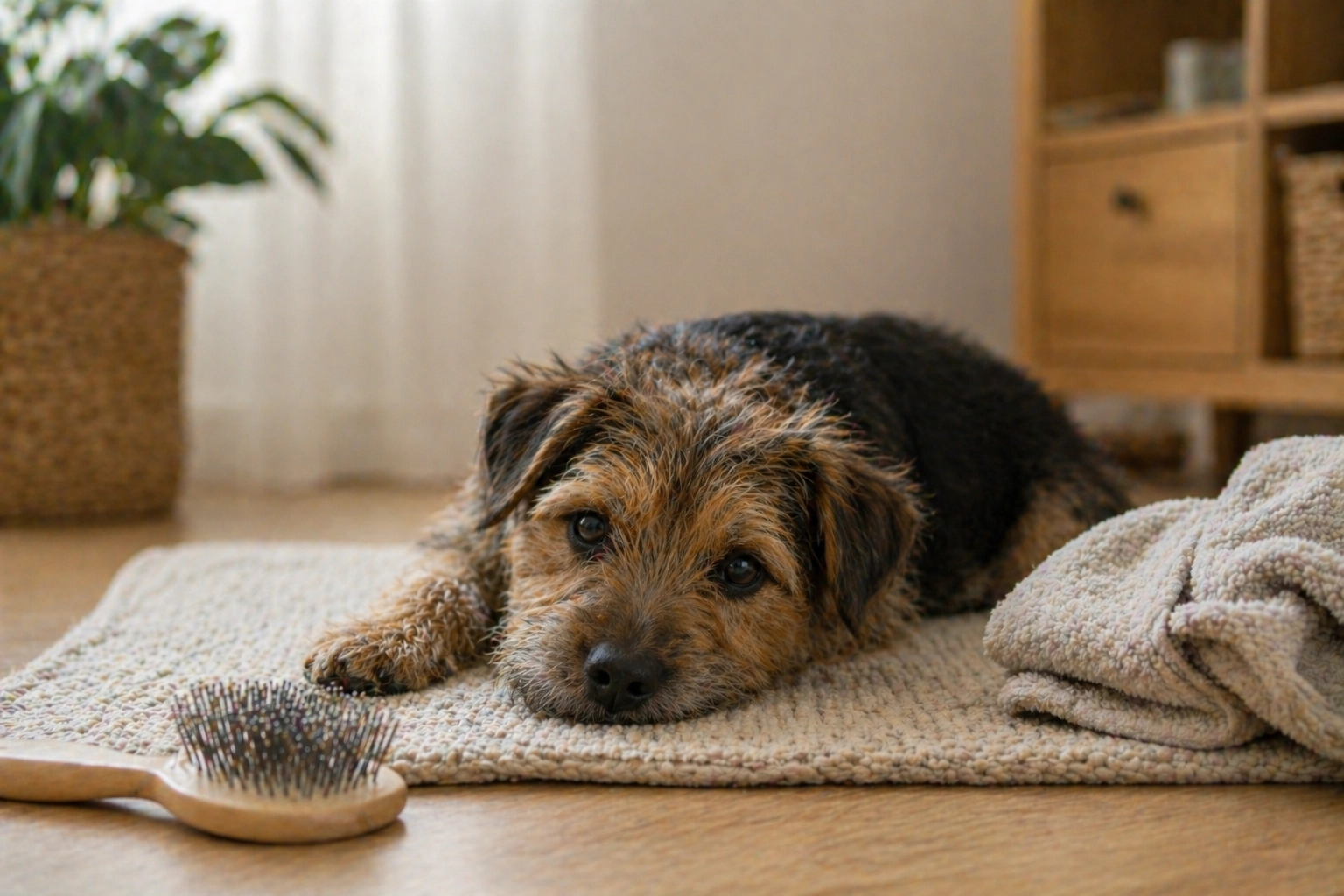
    Dogs with wire-haired breeds do not have an undercoat, so deshedding tools and slicker brushes are not used. A suitable brush and a stripping comb are usually enough.

    2. Bathing and hygiene

    • dog shampoo
    • a separate towel
    • wipes or soft cloths for cleaning paws
    • conditioner (if needed)

    Human shampoos are not suitable for dogs.

    3. Paws and nails

    • nail clippers in the right size
    • nail file (optional)
    • paw balm or protective treatment

    Common mistakes

    • buying random products without considering the dog’s size
    • using human products instead of dog-specific ones
    • choosing cheap tools that are uncomfortable to use
    • buying too many items instead of starting with a basic set
    • not replacing consumables on time

    Good care is not about having a lot of tools, but about choosing the right ones. A simple, practical set that fits your dog and is used regularly is more than enough.