Tag: feeding

  • Why your cat eats too fast and what to do

    Why your cat eats too fast and what to do

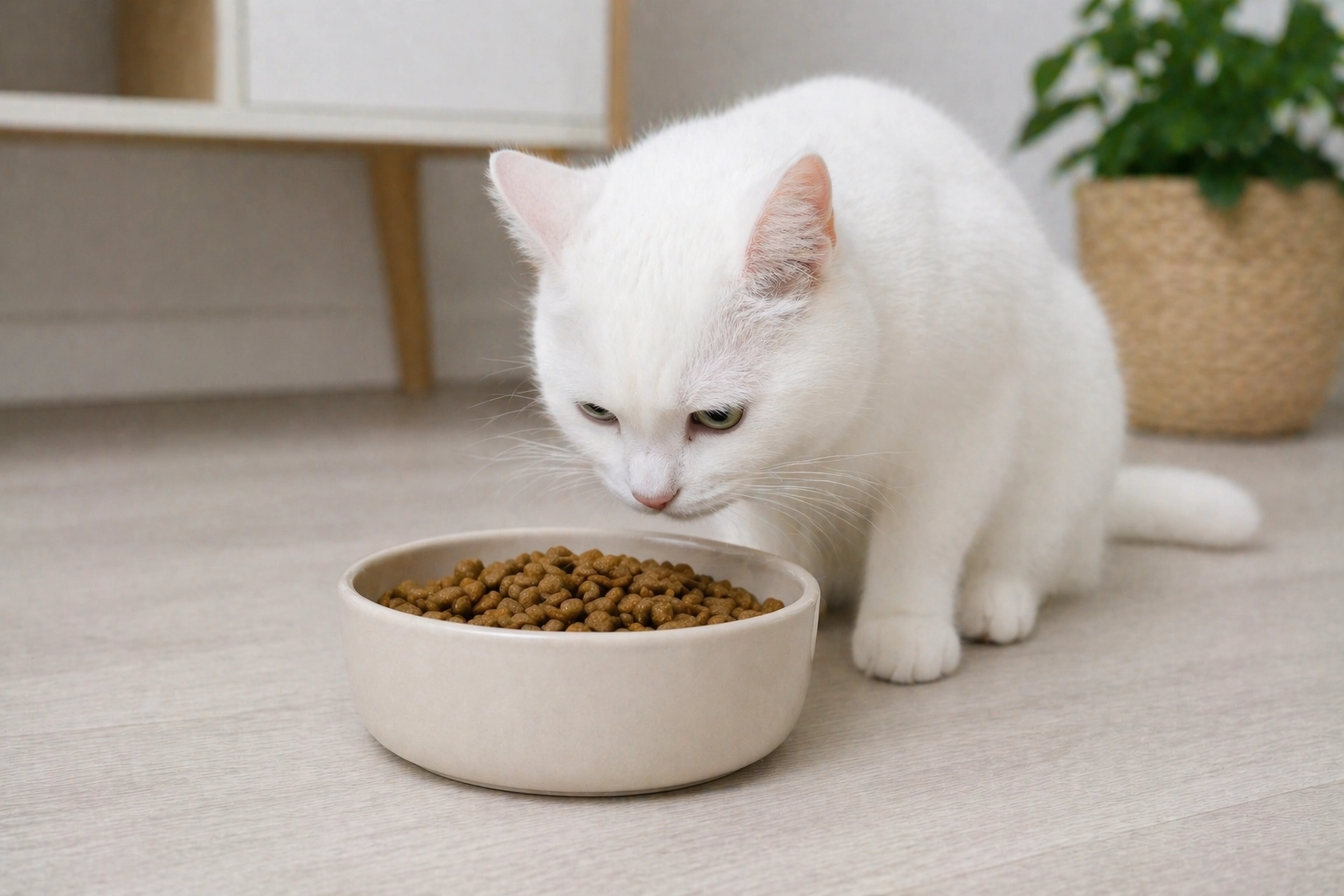
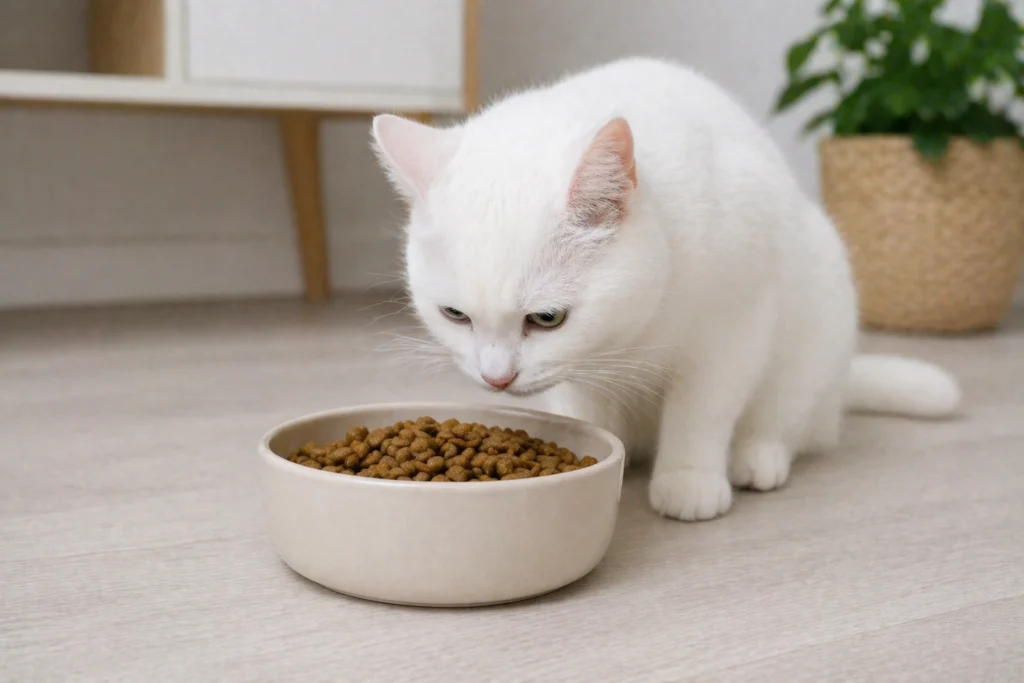
    If your cat eats too quickly, it is not just a funny or harmless habit. Eating too fast can cause discomfort and may leave your cat feeling hungry all the time. The good news is that in many cases, simple changes to feeding habits can help.

    Why it can be a problem

    Eating too fast may lead to:

    • regurgitation right after meals
    • nausea
    • hiccups
    • gas and stomach discomfort
    • overeating
    • weight gain

    If this happens often, it is worth looking for the cause.

    Why cats eat too fast

    There can be many reasons:

    • Competition around food. If there are several pets in the home, your cat may rush to eat before someone else gets their food.
    • Infrequent meals. If there are long gaps between meals, your cat may become overly eager at feeding time.
    • Stress or anxiety. Moving, noise, new pets or changes at home can affect how a cat behaves around food.
    • Past experiences. Cats adopted from shelters or rescued from the street often keep the habit of eating quickly whenever food is available.
    • It tastes too good. A favorite food, especially wet food, may disappear in seconds.

    What you can do

    The easiest solution is to make it harder for your cat to eat so quickly as before:

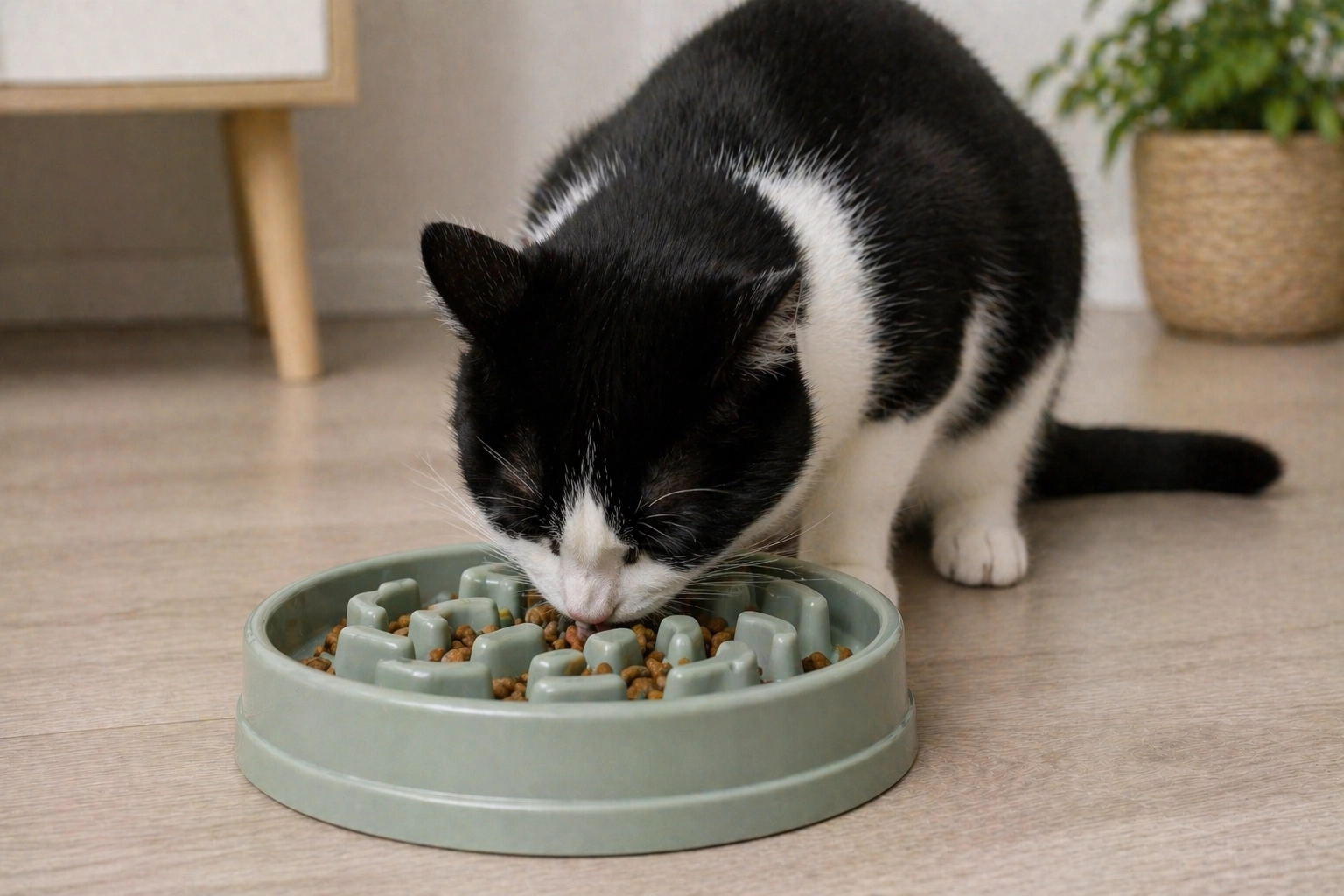
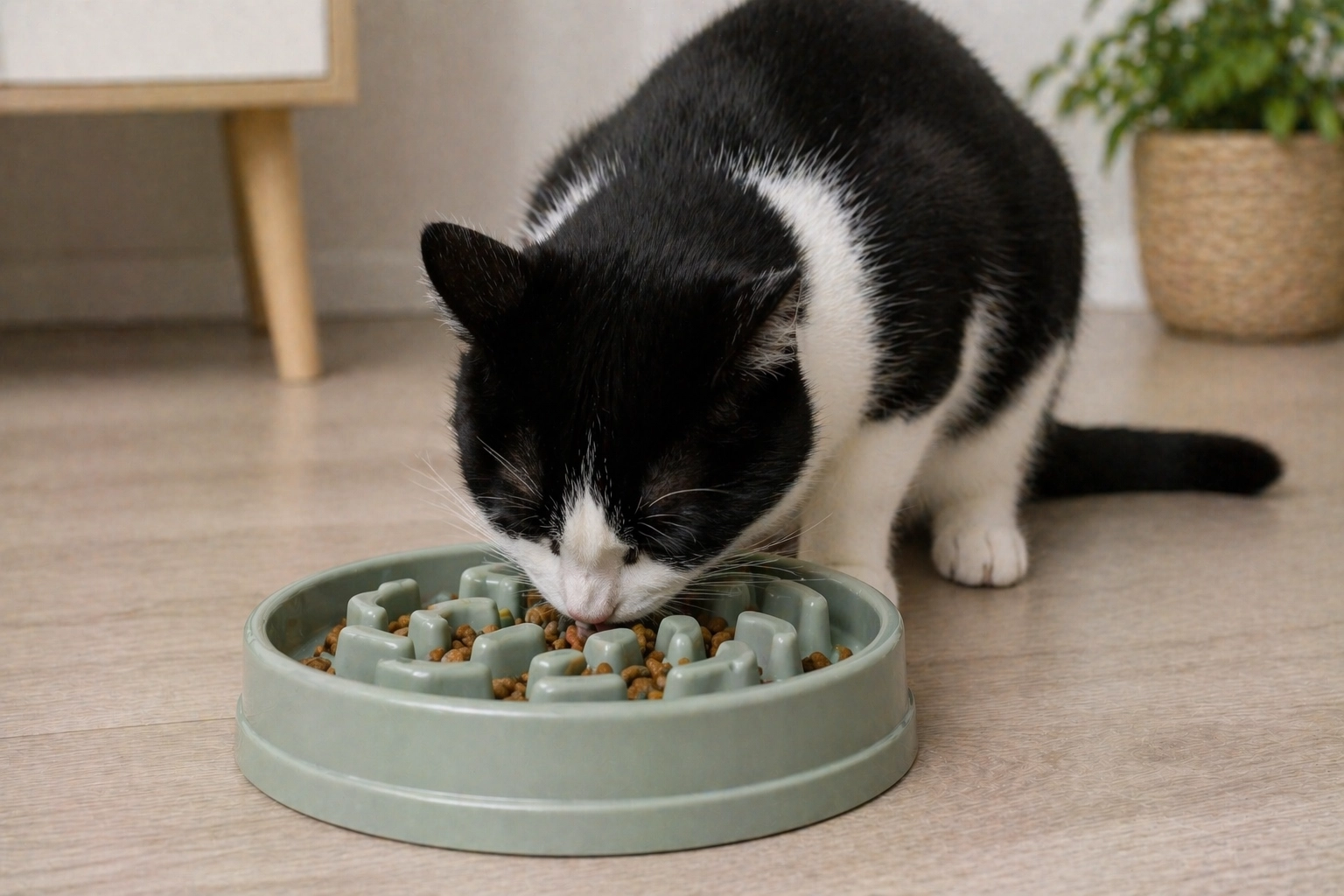
    • Use a slow feeder. A slow-feeder bowl or puzzle feeder encourages smaller bites and slower eating.
    • Split meals into smaller portions. Many cats do better with smaller meals more often. You can also place small portions of dry food in different spots around the home.
    • Feed pets separately. Removing competition can reduce the urge to rush.
    • Keep a routine. Regular mealtimes often help reduce anxiety.

    When to see a vet

    If your cat is constantly hungry, losing weight, regurgitates after every meal or suddenly changes behavior, it is best to speak with a veterinarian. Sometimes fast eating can be linked to an underlying health issue.
  • How much water should a cat drink?

    How much water should a cat drink?

    Cats need constant access to water. Proper hydration supports kidney function, urinary health, digestion and overall well-being. If your cat drinks too little or suddenly starts drinking much more than usual, it is important to pay attention.

    How much water is normal?

    On average, an adult cat needs around 40–60 ml of fluid per kilogram of body weight per day:

    • 3 kg cat: 120–180 ml per day
    • 4 kg cat: 160–240 ml per day
    • 5 kg cat: 200–300 ml per day

    Why real-life numbers may vary

    The figures above refer to the total daily fluid intake, not just the water your cat drinks from a bowl.

    Several factors can affect this:

    • Diet. Cats that eat wet food get part of their fluid from meals. Cats on dry food usually drink more from their bowl.
    • Weather and activity. In hot weather, warm indoor temperatures or after active play, cats may drink more than usual.
    • Age. Kittens, senior cats, pregnant cats and nursing cats may have different hydration needs than healthy adult cats.

    How to tell if your cat is drinking too little

    Pay attention if your cat:

    • rarely goes to the water bowl
    • urinates less than usual
    • seems lethargic
    • eats less
    • prefers drinking from the tap but ignores the bowl
    • has dry gums

    How to help your cat drink more

    • Place several water bowls around the home. Many cats drink more when water is available in different rooms.
    • Change the water daily. Fresh water is usually more appealing.
    • Choose the right bowl. Many cats prefer wide bowls where their whiskers do not touch the sides.
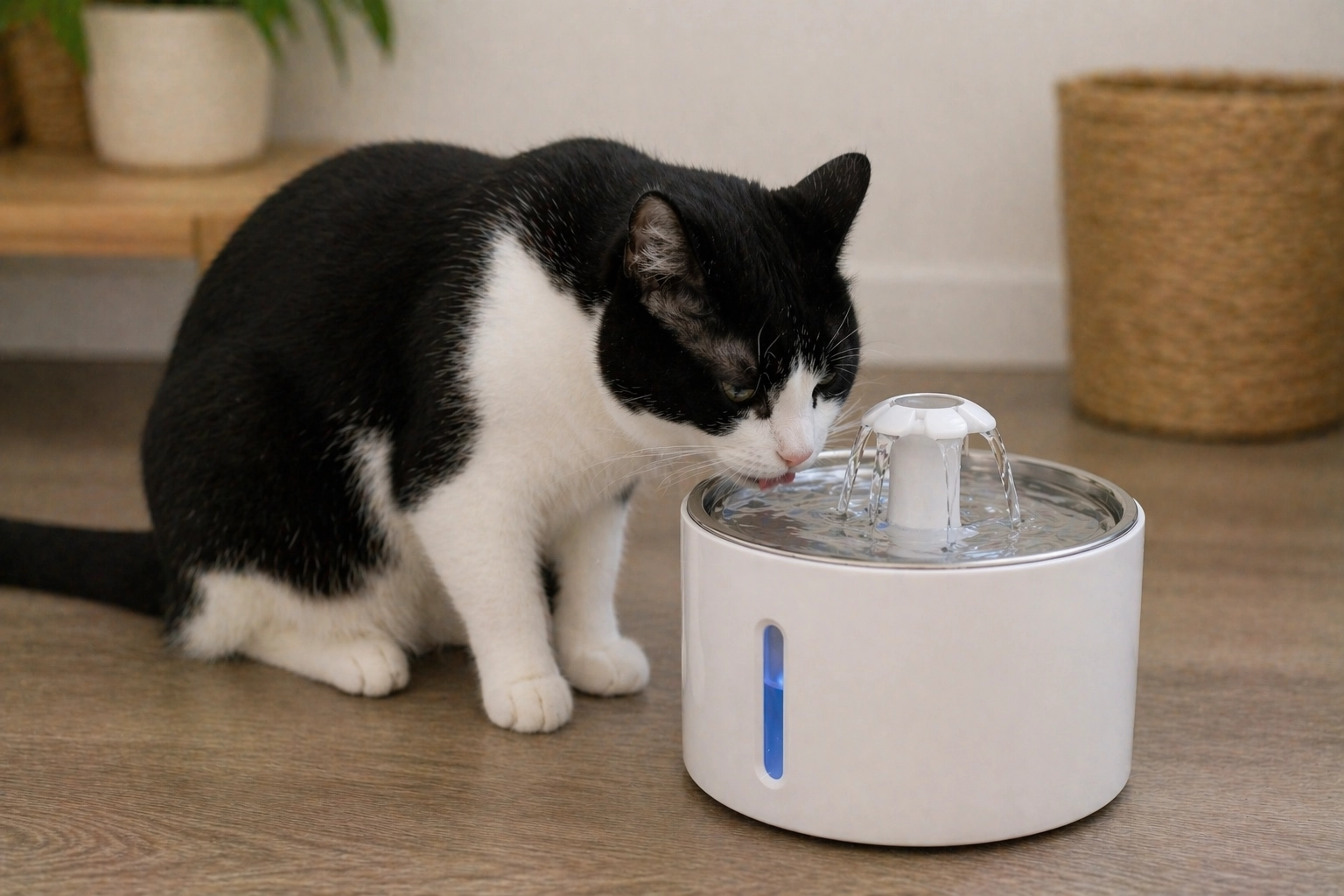
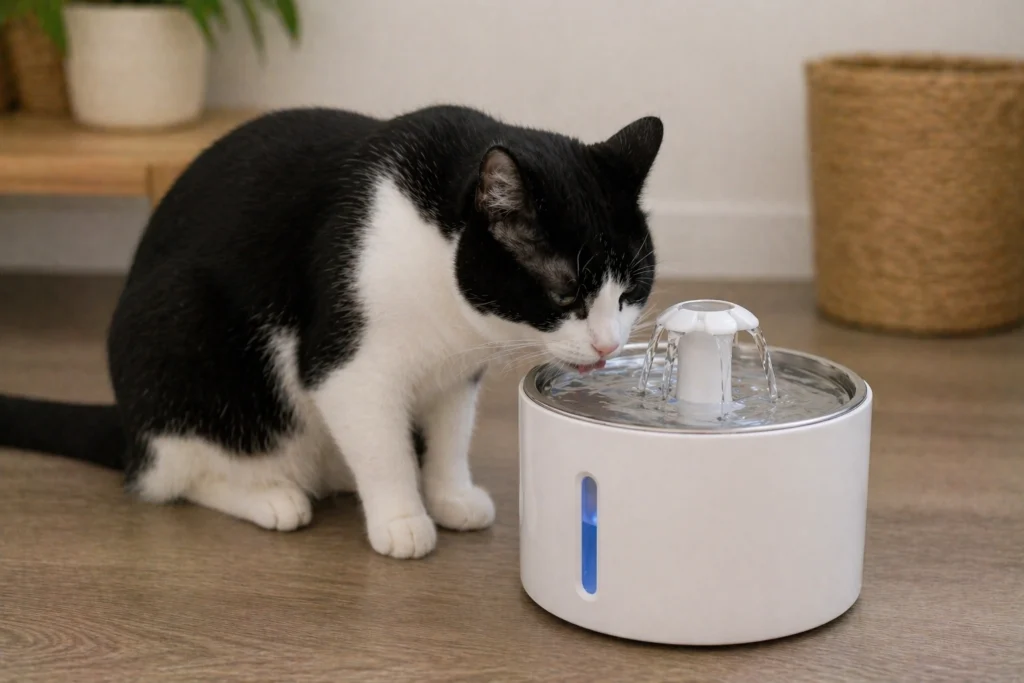
    • Try a cat fountain. Moving water often attracts cats more than still water.
    • Add wet food. An easy way to increase total fluid intake.

    What kind of water should you give a cat?

    Cats should only be offered clean, fresh water with no odor or unusual taste. It should be replaced daily. Good-quality filtered or bottled water is often the best option.

    When to see a veterinarian

    If your cat drinks far too little or too much, urinates frequently, loses weight or seems lethargic, do not delay seeking veterinary advice.

    Pay attention not only to the water bowl, but to your cat’s overall behavior as well. A steady interest in drinking is an important sign of good health.

  • How to choose the right bowls for your cat

    How to choose the right bowls for your cat

    A bowl may seem like a simple purchase, but it can affect your cat’s daily comfort and sometimes even their willingness to eat or drink. In this guide, we look at what kind of bowls your whiskered companion really needs.

    How many bowls does a cat need?

    At minimum, two:

    • one for water
    • one for food

    If your cat eats both wet and dry food, it is best to have separate bowls for each type.

    What kind of bowl is best for a cat?

    • Ceramic. Heavy, stable, easy to clean and resistant to odors. One of the best choices for everyday use at home.
    • Stainless steel. Durable, hygienic and long-lasting. A great option for daily use.
    • Plastic. The lightest and most affordable option, but plastic bowls can scratch easily, absorb odors and wear out faster. Poor-quality plastic may even release unwanted substances into food or water.

    How to choose the right size

    The bowl should suit your cat’s size and feel comfortable to use every day. One that is too small will empty quickly, while one that is too large may take up unnecessary space.

    For most cats, medium-sized bowls work well and hold a single portion without overflowing. For water, a larger bowl is often more practical so fresh water stays available throughout the day.

    The most important rule is simple: your cat should be able to eat and drink comfortably without pressing their face against the sides or brushing their whiskers against the rim.

    How to care for your cat’s bowls

    • wash bowls daily
    • change the water every day
    • do not leave wet food sitting out for hours
    • check regularly for chips or damage and replace bowls when needed

    Where to place the bowls

    Choose a calm spot away from noise and busy walkways. It is often a good idea to place the water bowl separately from the food, as many cats prefer to drink this way. Food and water should also not be placed next to the litter box.