
Category: Training

  • How to potty train your puppy to use pee pads

    How to potty train your puppy to use pee pads

    Learning to use pee pads is one of the first everyday skills a puppy picks up. The key is consistency: puppies learn gradually through repetition and clear associations.

    When pee pads make sense

    Pee pads are useful:

    • during the first months of a puppy’s life
    • after vaccinations, when outdoor walks are limited
    • at night or during bad weather
    • for small breeds (like Pomeranians, Yorkies or Chihuahuas)
    • during the adjustment period in a new home

    Even if your dog will eventually go outside, pee pads can be a helpful transitional step.

    What to keep in mind

    A puppy cannot control bladder function the same way an adult dog can. Accidents early on are a normal part of the process, not “bad behavior” or stubbornness.

    Puppies usually need to go:

    • after sleeping
    • after eating or drinking
    • after active play
    • first thing in the morning

    How to set up training

    1. Choose a fixed spot

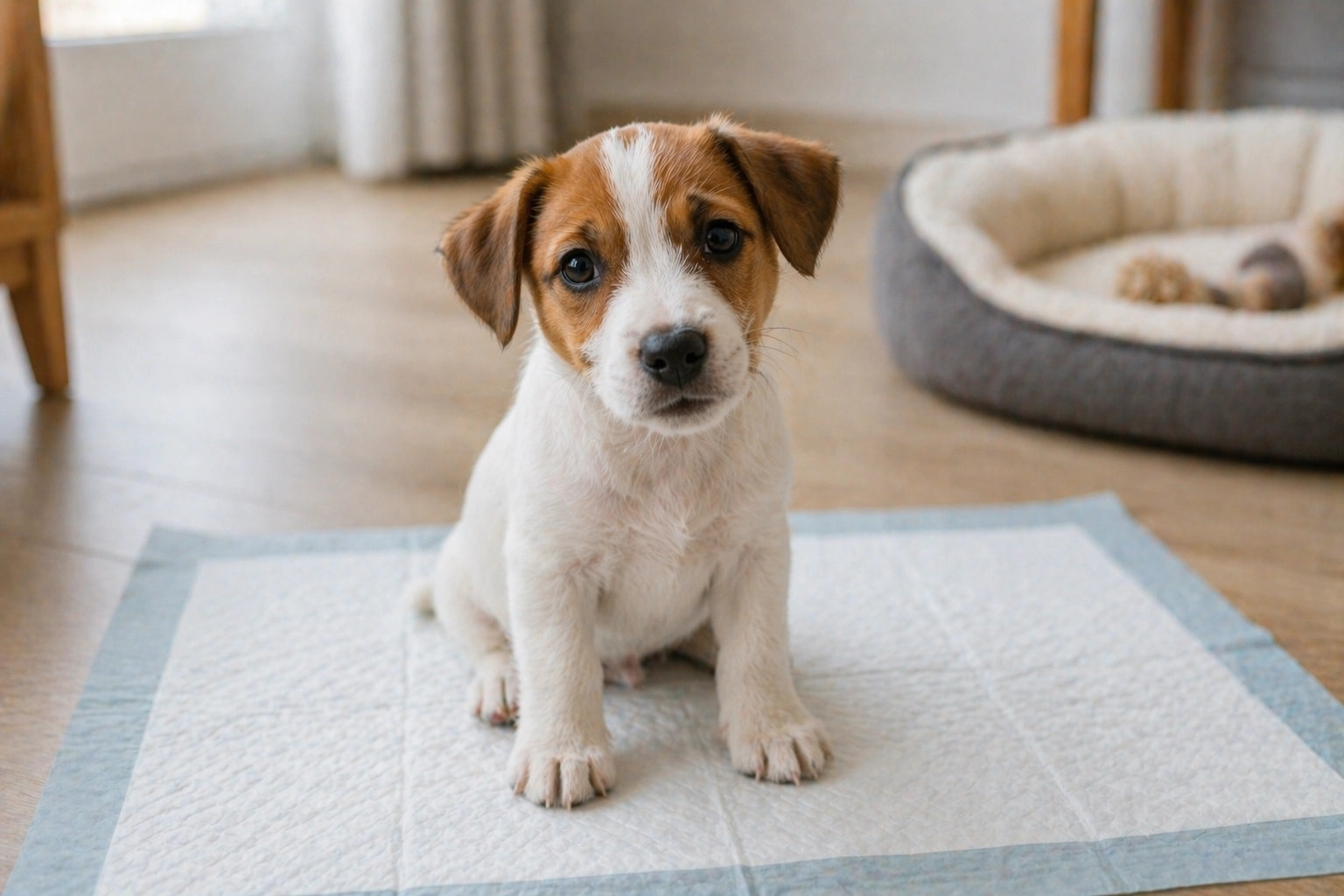
    Place the pad in a quiet, easy-to-reach area. Avoid moving it unless necessary. Consistency helps your puppy learn faster.

    2. Limit the space

    If your home is large, it can be harder for a puppy to figure things out. At first, it helps to keep them in one room or place pads in several areas.

    3. Take your puppy to the pad at the right times

    After sleep, meals or play, bring your puppy to the pad and wait a few minutes.

    4. Reward immediately

    As soon as your puppy uses the pad, praise them and offer a treat.

    5. Repeat consistently

    The more successful repetitions, the faster the habit forms.

    If your puppy misses the pad

    Do not scold or punish after the fact. Your puppy will not connect the correction to something that already happened and will not understand what went wrong.

    What to do instead:

    • clean up calmly
    • use an odor remover
    • think about what you missed
    • adjust your routine and supervision

    Helpful tips

    • remove rugs for now
    • watch for signals: puppies often circle and sniff the floor before going
    • stay calm and patient

    When to expect results

    Some puppies learn quickly, others take more time. It depends on age, routine, personality and your consistency. Progress usually does not happen overnight — it builds step by step.

    The most effective way to teach your puppy to use pee pads is a clear routine, calm training and regular positive reinforcement. Patience and repetition work far better than punishment.
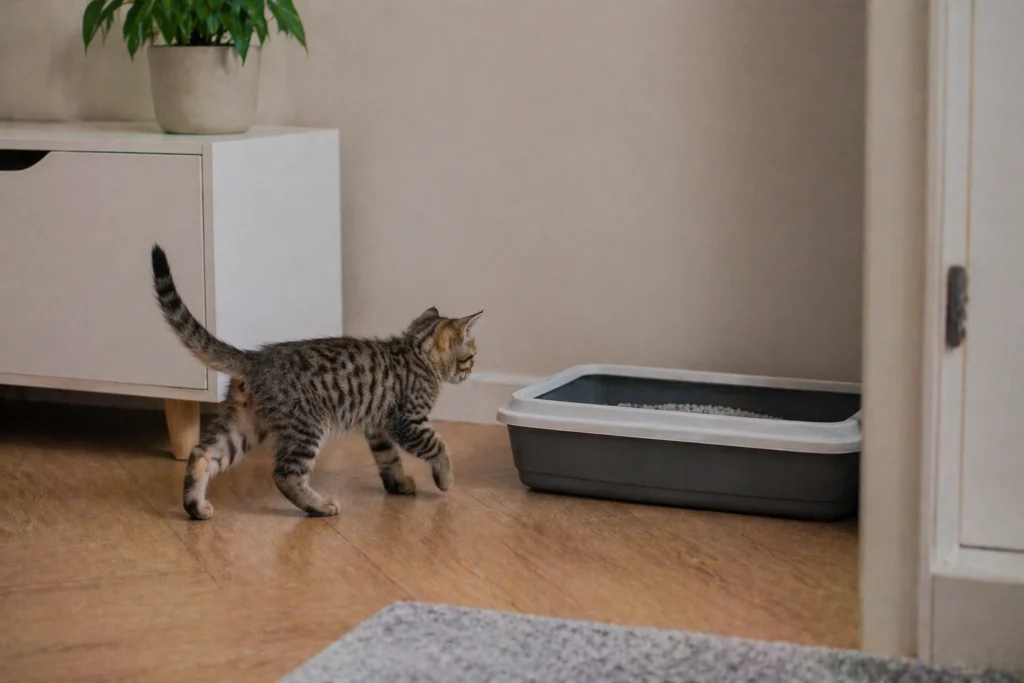
  • How to litter train a kitten

    How to litter train a kitten

    Most kittens learn to use a litter box quickly when the setup is clear and the process isn’t rushed. Your main job is to choose the right box, pick a suitable litter and stay patient.

    Choose the right litter box

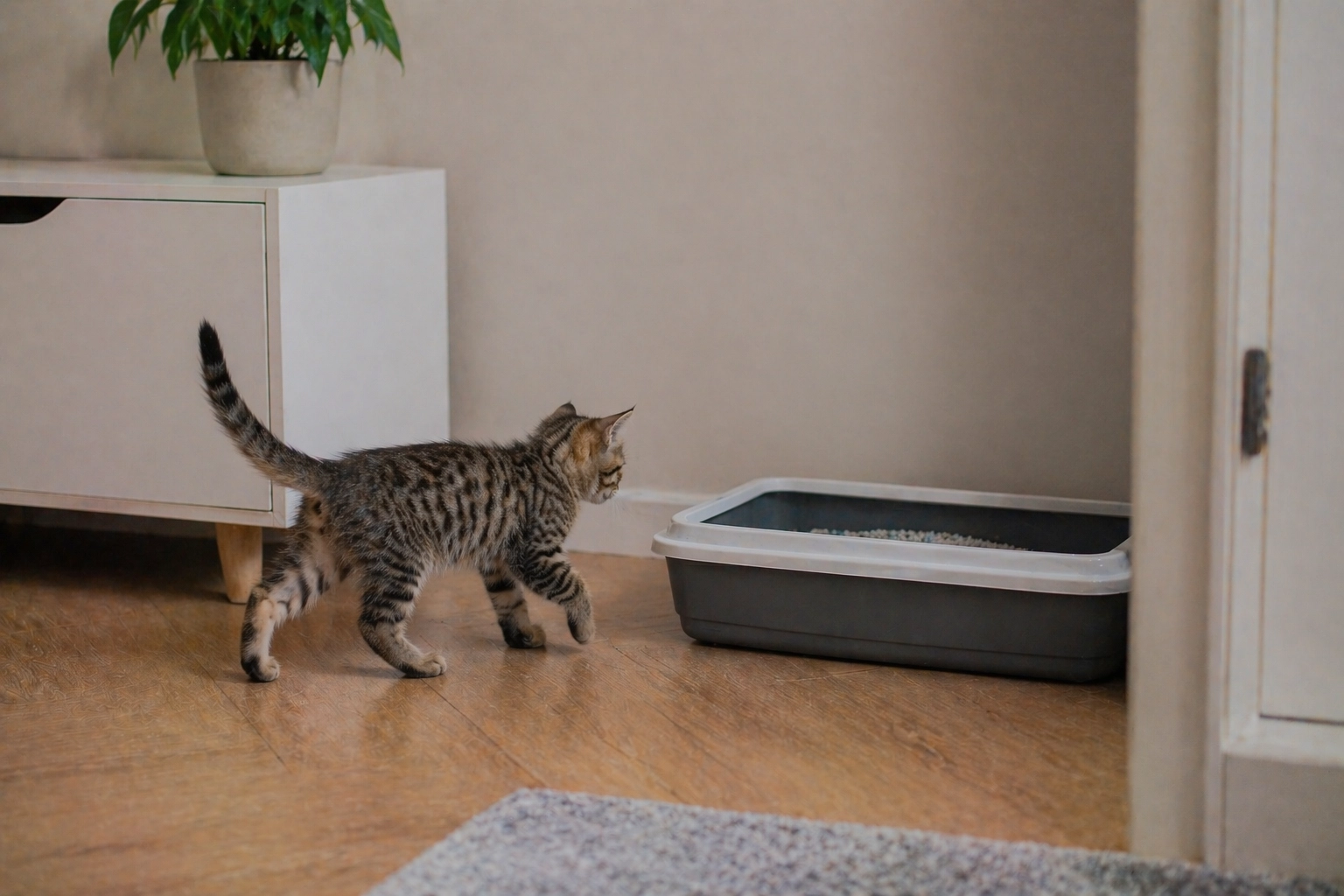
    Kittens do best with a litter box that has low sides so they can climb in easily. Place it in a quiet, low-traffic area away from noise and drafts where your kitten can feel safe and have privacy.

    If you live in a large home, it’s a good idea to set up at least two litter boxes in different areas, especially at first.

    Pick the right litter

    To help your kitten learn faster, choose an unscented litter. Good options include wood pellets, corn-based litter and clumping clay litter.

    Silica crystal litter controls odor well, but some kittens may try to chew or swallow it, which can be dangerous.

    Later on, you can test different types to see what your cat prefers.

    Gentle reminders work best

    Place your kitten in the litter box after naps, meals or active playtime. These are the moments when they’re most likely to need the litter box.

    Do not force, hold down or scare your kitten. Calmly showing the right spot several times is usually enough.

    Reinforce the habit

    If your kitten uses the litter box, praise them with affection, a gentle voice or a small treat.

    Accidents happen

    Mistakes during the first few days are a normal part of settling in.

    What to do:

    • clean the area thoroughly to remove odor
    • check whether the litter box location is convenient
    • move the box gradually if a better spot is needed
    • try a different type of litter
    • use a litter training attractant spray
    • remind your kitten more often after naps and meals

    Never rub your kitten’s nose in the mess, yell or punish them.

    Health issues

    If your kitten regularly avoids the litter box, cries when trying to go, has constipation, diarrhea or seems tired and unwell, the cause may be medical rather than behavioral. If you notice any of these signs, contact a trusted veterinarian as soon as possible.

    Can I litter train an adult cat?

    Yes, but it usually takes longer than with a kitten because adult cats may already have habits and past experiences.

    The method is the same: choose a comfortable litter box, place it in a quiet spot and find a litter your cat likes. Stay calm, be consistent and avoid punishment. If the cat used to go outdoors or in another place, full adjustment may take several weeks.

  • How to leash train your dog

    How to leash train your dog

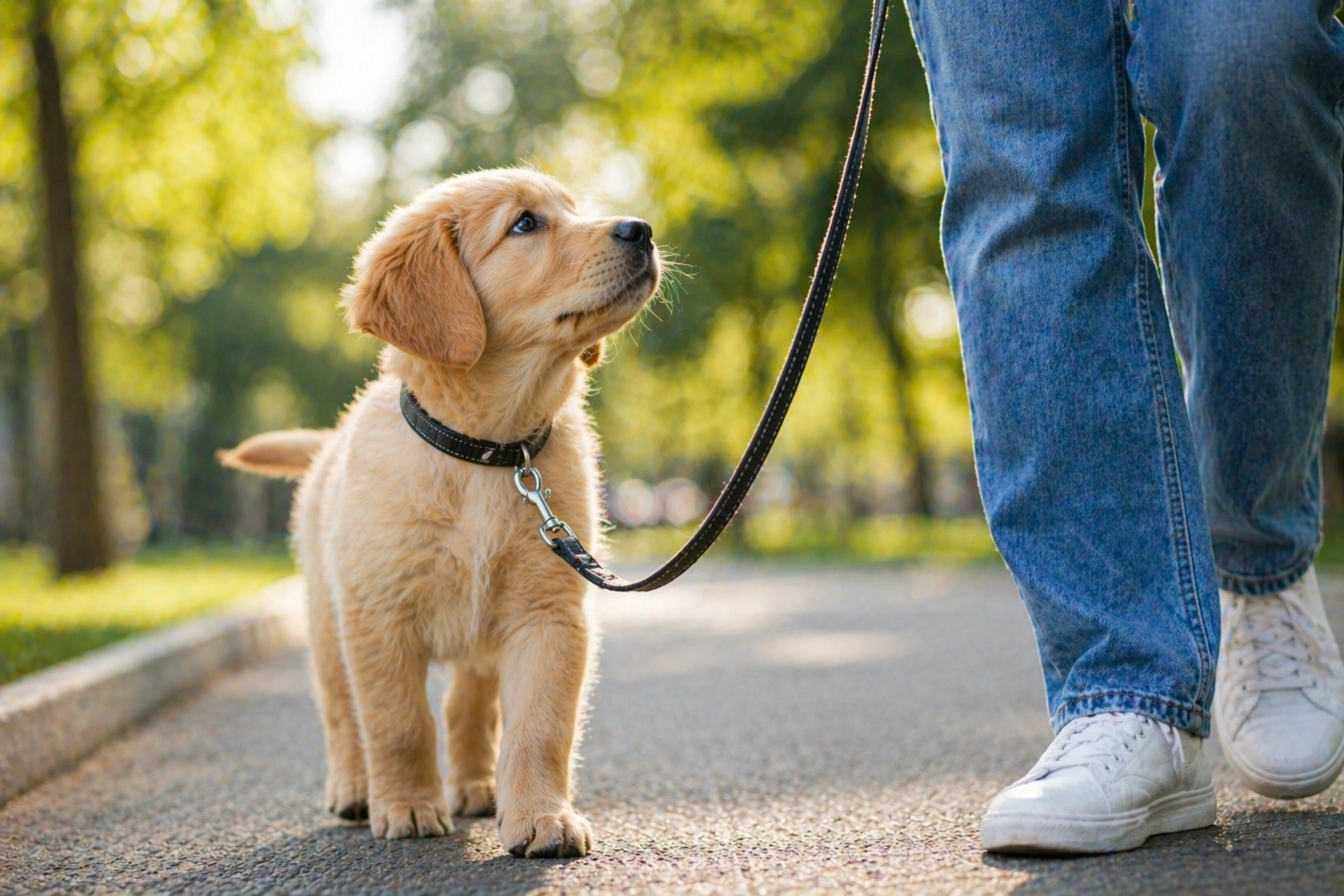
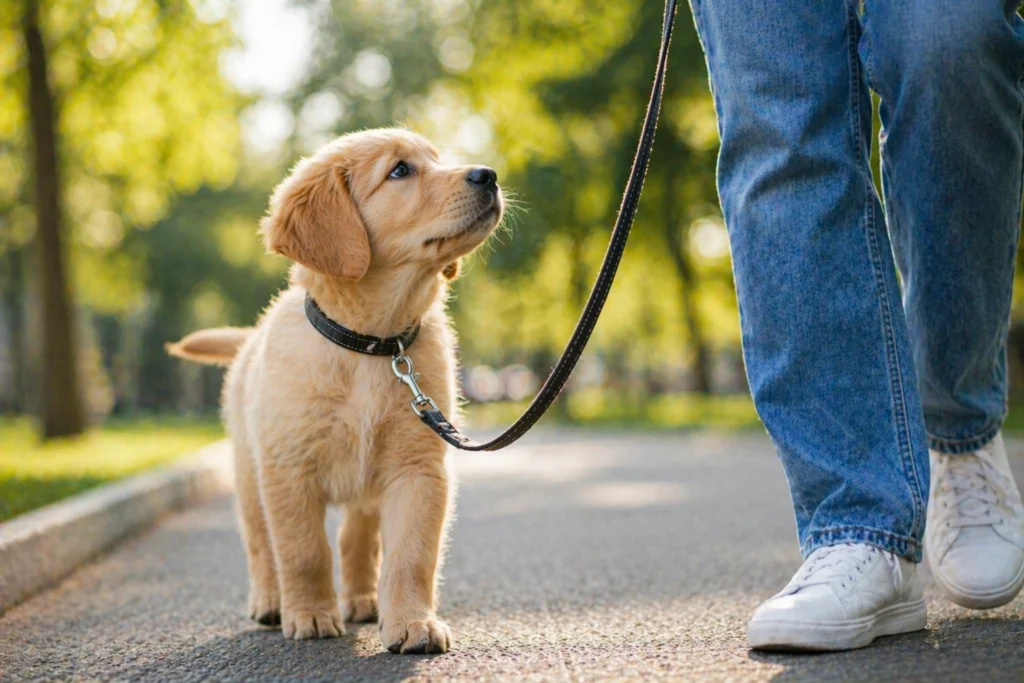
    Leash training is the foundation of calm, comfortable walks. Some dogs accept a leash right away, while others need more time and support from their owner. A calm, step-by-step approach helps reduce stress and build the skill more quickly.

    When to start

    It is best to introduce the leash early, once your puppy has settled in at home and is ready to explore new objects and routines. Adult dogs can learn too — they may just need a little more time and patience.

    What to prepare first

    A few basics will make training easier:

    • a lightweight leash of the right length
    • a comfortable harness or collar that fits properly
    • treats for rewards

    If your dog feels uncomfortable or scared, training becomes much harder.

    How to get your dog used to a collar or harness

    Step 1. Let them investigate

    Show your dog the collar or harness and let them sniff it. Do not force it on right away. Reward curiosity with praise or treats.

    Step 2. Put it on indoors

    Put the collar or harness on for one or two minutes in a calm setting.

    During that time, try to:

    • start a game
    • offer treats
    • keep your dog busy with an easy activity

    Take it off before your dog becomes stressed.

    Step 3. Increase the time gradually

    Add a little more wearing time each day: a few minutes at first, then longer sessions.

    Step 4. Check the fit

    The collar or harness should not hang loosely or feel tight. You should be able to fit two fingers between the gear and your dog’s neck or body.

    If your dog scratches or tries to remove it

    This is normal at first. The sensation is new and unfamiliar. Gently redirect your dog’s attention with play, movement or treats.

    When to introduce the leash

    Once your dog can wear the collar or harness calmly indoors without paying attention to it, you can clip on the leash and move to the next stage.

    How to leash train your dog

    Step 1. Introduce the leash

    Just like with the collar, do not rush. Place the leash nearby and let your dog sniff it. Praise any interest with your voice and treats. Repeat over several days.

    Step 2. Clip it for a short time indoors

    When the leash no longer causes concern, clip it on briefly. Let your dog stand, move around or explore freely, but do not pull them along.

    Do not wait until your dog becomes nervous. It is better to build time gradually while distracting with play or treats.

    Step 3. Teach your dog to move with you

    Take a few steps around the house. When your dog walks beside you or comes to you willingly, praise and reward right away. This helps your dog learn that staying close to you pays off.

    Step 4. Respond to leash tension

    If your dog pulls forward, do not follow.

    Instead:

    • stop moving
    • wait for the leash to loosen
    • call your dog back to you
    • continue only when the leash is loose

    This teaches your dog that pulling does not move the walk forward.

    Step 5. Practice outside

    Start in quiet places: a yard, a calm street or an empty park. Then gradually move to more everyday environments.

    If you begin somewhere noisy or busy, it will be much harder for your dog to focus.

    Common problems and fixes

    Your dog freezes in place

    Do not pull. Crouch down, call them, offer a treat or take a step back

    Bites the leash

    Redirect to a toy or movement and reward calm behavior

    Pulls constantly

    Reduce distractions and change direction more often

    The dog is afraid of outside

    Keep walks short and let your dog get used to the environment gradually

    How long to train

    Five to ten minutes every day is better than one long session once a week. Consistency brings faster and more reliable results.

    What not to do

    • do not jerk the leash
    • do not shout
    • do not punish fear
    • do not overload your dog with training
    • do not expect perfect behavior in one day

    If you move gradually and avoid overwhelming your dog, the skill will develop much more easily. In time, the leash will stop being a source of stress and become part of relaxed, enjoyable walks.